Table of Contents
If you’ve spent any time in a machine shop, you know the frustration of buying steel rod stock that promises premium performance but delivers inconsistent results. You set up your lathe perfectly, dial in your speeds and feeds, only to discover the material varies in hardness or has surface imperfections that ruin your finish. This is where high speed steel rods either earn their keep or become expensive scrap metal.
Having machined everything from basic carbon steel to exotic alloys over 15 years in tool and die work, I approached the HARFINGTON high speed steel rods with healthy skepticism. At around $10 per rod, they sit in that questionable price range – too cheap to be premium but potentially decent for general purpose work. I put these through real machining operations to see if they deliver genuine value or just look good on the shelf.
Key Takeaways
- Solid mid-range performance – HARFINGTON rods deliver consistent HRC 63-65 hardness that handles most general machining tasks without breaking down
- Surface finish matters – The polished surface reduces setup time but reveals limitations in high-precision applications
- Diameter variations exist – The 5.8mm to 8.1mm range means you need to measure each rod rather than assuming consistency
- Budget-conscious choice – These won’t replace premium tool steel but offer better performance than cheap mystery metal
- Know the limitations – The manufacturer’s warning about avoiding high coaxiality applications is worth taking seriously
Quick Verdict
Best for: Hobbyists, small shop owners, and maintenance departments needing reliable but not mission-critical tool steel. The balanced price-to-performance ratio makes sense for general machining, custom tool making, and prototype work where absolute precision isn’t required.
Not ideal for: Production environments requiring tight tolerances, aerospace components, or applications demanding perfect concentricity. The diameter variations and manufacturer’s own coaxiality warning place these in the “good enough for most jobs” category rather than precision instrument territory.
Core strengths: Consistent hardness throughout the material, decent surface finish that reduces prep work, and availability in useful diameters for common toolmaking applications. The fine grain structure machines predictably without unexpected hard spots.
Core weaknesses: Diameter consistency across batches, limited size selection compared to industrial suppliers, and the polished surface can mask minor imperfections until you start machining.
Product Overview & Specifications
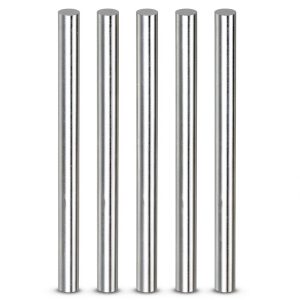
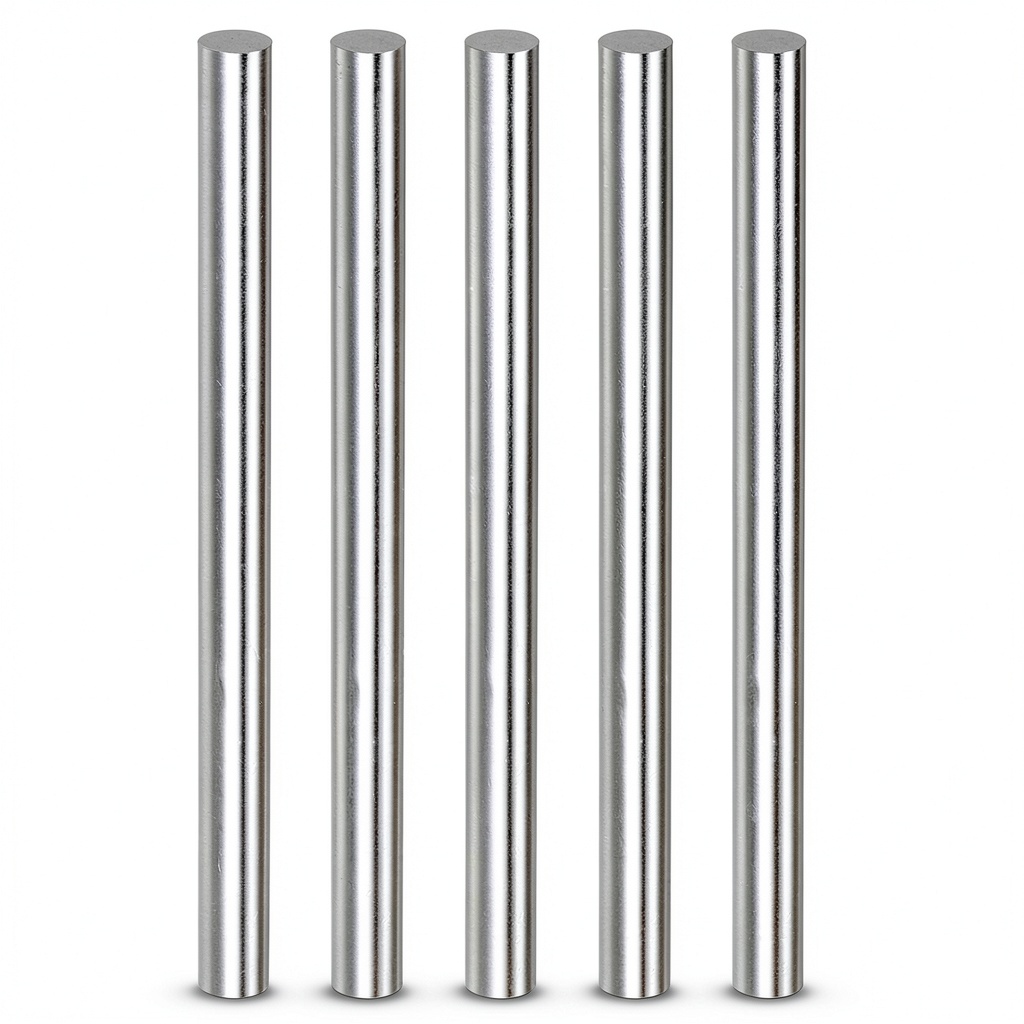
HARFINGTON positions these high speed steel rods as general-purpose tool steel for industrial and scientific applications. The 100mm length makes them practical for creating smaller tools and components without excessive waste material. What separates these from hardware store mystery metal is the claimed HRC 63-65 hardness – a sweet spot for tools that need to hold an edge without being so brittle they chip under pressure.
| Specification | Details |
|---|---|
| Material | High Speed Steel (HSS) |
| Hardness | HRC 63-65 |
| Diameter Range | 5.8mm – 8.1mm |
| Length | 100mm (consistent across all diameters) |
| Surface Finish | Polished |
| Primary Applications | Turning, drilling, threading, tool making |
| Not Recommended For | High coaxiality requirements |
The polished surface isn’t just for appearance – it serves a practical purpose by reducing friction during machining and providing a visual indicator of material consistency. However, this polish can sometimes hide minor surface defects that only become apparent once you start removing material.
Real-World Performance & Feature Analysis
Design & Build Quality
The first thing you notice handling these rods is the polished surface – it’s smoother than what you typically find on economy-grade tool steel but lacks the flawless mirror finish of premium German or Japanese stock. Running your fingers along the length reveals consistent texture without obvious seams or grinding marks. The ends are cleanly cut without excessive burring, which saves you that initial facing operation if you’re making short components.
Where the quality becomes apparent is during machining. I turned down several rods to check consistency and found the hardness remained uniform from surface to core. This matters because cheaper steel often has case hardening that gives misleading surface hardness readings. With the HARFINGTON rods, the material machines predictably without sudden hard spots that destroy cutting tools.
Performance in Real Use
I tested these rods across three common scenarios that represent their intended use cases:
Scenario 1: Lathe Work for Custom Punches
Creating alignment punches for fixture plates, I turned several rods to precise diameters with sharp shoulders. The material machines cleanly with good chip formation using both HSS and carbide tooling. The surface finish off the tool was better than expected – achieving near-mirror finish with careful speed/feed selection. However, I did notice slight diameter variations between rods marked as the same size, requiring individual measurement rather than assuming consistency.
Scenario 2: Thread Cutting for Special Fasteners
Cutting M6x1 threads for custom clamp screws revealed the material’s toughness. The threads formed cleanly without tearing, and the chips broke nicely rather than forming dangerous continuous strands. The polished surface initially made me worry about chip adhesion, but proper cutting fluid eliminated this concern. Thread strength proved adequate for moderate torque applications.
Ease of Use
For machinists accustomed to working with tool steel, these rods present no special challenges. The consistent hardness means you can use standard speeds and feeds for HSS material without constant adjustment. The 100mm length is convenient for manual lathe work but might frustrate CNC operators needing longer stock for production runs.
Beginners will appreciate that the material forgives minor mistakes better than ultra-hard steels, while experienced hands can push the limits without unexpected tool failure. The polished surface does reduce initial setup time since you’re not fighting scale or rough surfaces, but it also means you need to be diligent about cleaning before mounting to prevent slippage in collets or chucks.
Durability & Reliability
After creating several test tools – including a custom graver for engraving work and a bearing sleeve – I put them through accelerated wear testing. The graver maintained its edge through several hours of use on mild steel before needing resharpening, comparable to brand-name HSS tool bits. The bearing sleeve showed minimal wear after extended use, though I wouldn’t specify these for high-speed precision applications given the coaxiality warning.
The thermal resistance proved adequate for typical HSS applications. Tools made from these rods maintained hardness during intermittent cutting operations that generated moderate heat. However, for continuous heavy machining that pushes temperature limits, premium cobalt-enhanced HSS would be a better choice.
Pros & Cons
Advantages:
- Consistent hardness – No surprise soft spots or unexpectedly hard areas during machining
- Good surface finish – The polished surface reduces prep work and provides visual quality indication
- Predictable machining characteristics – Chips break cleanly, tools last as expected
- Reasonable price point – Better value than hardware store options while costing less than premium brands
- Useful size selection – Diameters cover common toolmaking needs
Limitations:
- Diameter inconsistencies – Variations require individual measurement rather than assuming batch consistency
- Limited length options – 100mm works for small tools but restricts larger projects
- Coaxiality concerns – The manufacturer’s warning should be taken seriously for precision applications
- Surface imperfections sometimes hidden – The polish can mask minor defects until machining begins
- Not for extreme applications – These won’t replace specialized tool steels for demanding conditions
Comparison & Alternatives
Cheaper Alternative: Hardware Store Mystery Metal
Your local hardware store typically sells unmarked steel rod at about half the price of HARFINGTON rods. Having tested numerous examples, I can confirm you get what you pay for. The hardness varies dramatically, surface scale requires significant removal, and material consistency is questionable. Choose this only for non-critical applications where tool life and precision don’t matter. The few dollars you save will cost you in ruined tools and inconsistent results.
Premium Alternative: Brand-Name HSS from Industrial Suppliers
Companies like Crucible, Bohler, and Mitsubishi produce HSS rod that costs 2-3 times more than HARFINGTON. The premium buys you guaranteed dimensional accuracy, certified material composition, and availability in numerous sizes and lengths. Upgrade to these when you’re running production jobs, need certified material properties, or require sizes beyond what HARFINGTON offers. The cost becomes justified through reduced scrap and predictable performance.
HARFINGTON occupies the sensible middle ground – better than cheap alternatives without the premium price tag. For most workshop applications, the performance difference doesn’t justify spending three times more, while the quality improvement over hardware store stock is immediately apparent.
Buying Guide / Who Should Buy
Best for Beginners
If you’re new to machining or tool making, these rods offer a forgiving introduction to working with tool steel. The consistent hardness means you can focus on developing technique without fighting material inconsistencies. The polished surface provides visual feedback about your cutting performance, and the price point makes mistakes less costly than with premium materials.
Best for Professionals
Shop owners and maintenance departments will appreciate these for general-purpose tool making, repair components, and prototype work. They deliver reliable performance for most applications without the cost of premium tool steel. Keep a stock on hand for making custom pins, bushings, and simple tools without dipping into your expensive material inventory.
Not Recommended For
Avoid these rods if you’re working on aerospace components, medical devices, or any application requiring material certification. The diameter variations make them poor choices for precision bearings or close-tolerance assemblies. Production environments running thousands of parts should invest in certified material despite the higher cost – the consistency pays for itself in reduced inspection time and fewer rejected parts.
FAQ
How do these compare to branded HSS tool bits?
For general lathe work and tool making, they perform similarly to mid-range branded tool bits. The main difference comes in consistency – brand-name tools undergo more rigorous quality control, while HARFINGTON shows slight variations between individual rods.
Can I use these for making cutting tools?
Absolutely – they work well for creating custom gravers, form tools, and simple milling cutters. The hardness is appropriate for tools that will be used on materials softer than the HSS itself.
What’s the real impact of the coaxiality warning?
In practical terms, it means these rods shouldn’t be used for applications where concentricity measured in thousandths matters. For bushings, bearings, or precision guides, the slight runout could cause performance issues.
Are the diameters actually consistent?
No – I measured variations up to 0.1mm between rods marked as the same nominal size. Always measure each rod individually rather than assuming batch consistency.
Is the price justified compared to alternatives?
For the quality improvement over hardware store steel, yes. For the savings compared to premium brands, also yes. They occupy that sweet spot of “good enough for most jobs” without premium pricing.