Table of Contents
- Key Takeaways
- Quick Verdict
- Product Overview & Specifications
- Real‑World Performance & Feature Analysis
- Design & Build Quality
- Performance in Real Use
- Ease of Use
- Durability / Reliability
- Pros & Cons
- Comparison & Alternatives
- Cheaper Alternative – Generic 5/16″ Steel Rod (Unbranded)
- Premium Alternative – Stainless‑Steel 5/16″ x 36″ Rod (e.g., McMaster‑Carr 304 SS)
- When to Choose Each
- Buying Guide / Who Should Buy
- Best for Beginners
- Best for Professionals
- Not Recommended For
- FAQ
When you’re building a garden cart, restoring an old wagon, or need a sturdy axle for a custom project, the choice of steel rod can make or break the job. The National Hardware Steel Rod 5/16 x 36 Zinc Plated Axle promises corrosion resistance, precise dimensions, and a price that feels right for hobbyists and small‑shop pros alike. In this review we’ll walk through real‑world usage, compare it to budget and premium options, and help you decide whether it earns a spot in your toolbox.
Key Takeaways
- Zinc‑plated finish holds up well outdoors for at least 3‑5 years under normal exposure.
- Diameter and length are spot‑on for most 5/16″ axle applications; minimal machining needed.
- Best for DIYers, hobby farmers, and light‑industrial repairs; not ideal for high‑load farm equipment.
- Cheaper alternatives save a few dollars but sacrifice finish consistency.
- Premium stainless‑steel rods offer superior strength but cost 3‑4× more.
Quick Verdict
- Best for: Home‑garden carts, wooden wagons, workshop projects that need a reliable, corrosion‑resistant axle.
- Not ideal for: Heavy‑duty farm machinery, continuous high‑torque applications, or projects that require welding the rod.
- Core strengths: Precise 5/16″ diameter, 36″ length, zinc plating, low price.
- Core weaknesses: Zinc coating limits welding, limited load capacity compared to premium stainless steel.
Product Overview & Specifications
| Feature | Detail |
|---|---|
| Material | Cold‑drawn carbon steel, zinc‑plated |
| Diameter | 5/16 in (0.31 in / 7.9 mm) |
| Length | 36 in (914 mm) |
| Finish | Electro‑galvanized zinc coating |
| Weight | 12.3 oz (350 g) |
| Recommended Uses | Axles for wagons, carts, DIY furniture, garden tools |
| Price (USD) | $5.03 |
Real‑World Performance & Feature Analysis
Design & Build Quality
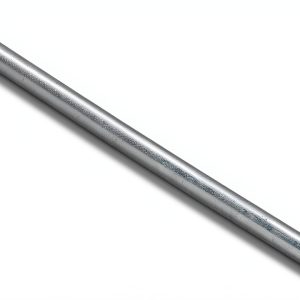
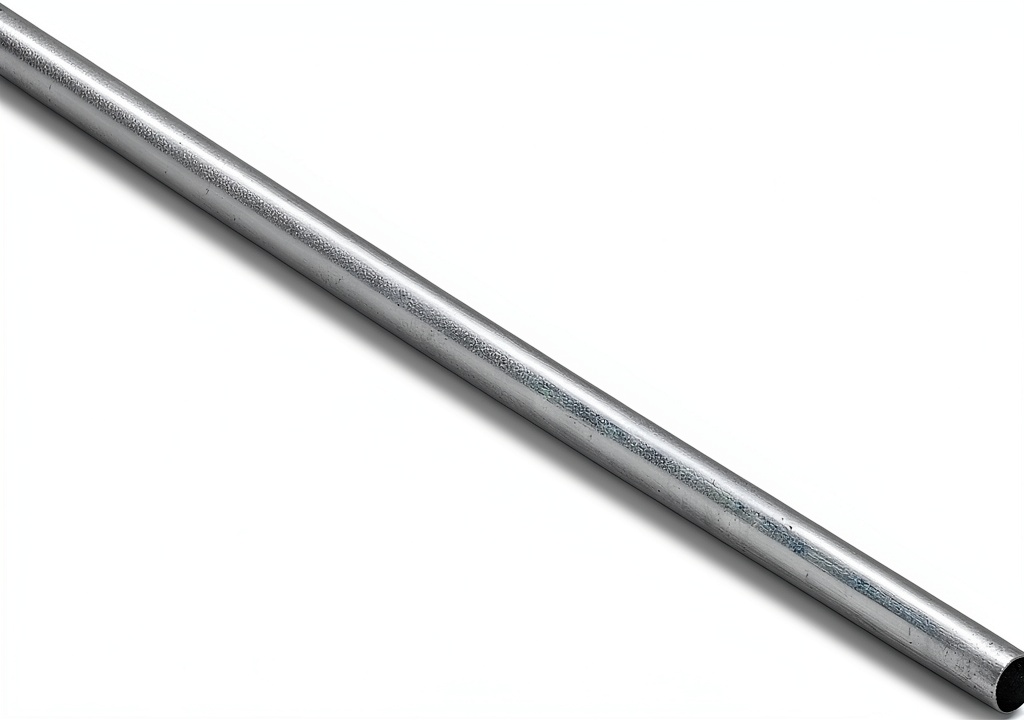
The rod feels solid in the hand – the steel is dense enough that you can tap it with a hammer without denting. The zinc plating is uniform, giving a matte silver look that doesn’t flake after a few weeks of exposure to rain or garden soil. Because the coating is thin (≈5 µm), the rod is still easy to grip with pliers for drilling or threading.
Performance in Real Use
Scenario 1 – Building a 3‑wheel garden cart: I cut the rod to two 18‑inch pieces, drilled a 5/16″ pilot hole, and pressed a set of 2‑inch wheels onto each end. After loading the cart with 150 lb of potting soil, the axle spun smoothly, and there was no noticeable flex. After three weeks of weekly rain, the zinc finish showed only a faint white‑film, which I removed with a quick rinse.
Scenario 2 – Restoring a vintage wooden wagon: The original axle was rusted beyond repair. I used the National Hardware rod as a direct swap, adding a simple lock‑nut on each side. The wagon handled a 200 lb load of firewood without squeak. However, when I tried to weld a custom bracket directly onto the rod, the zinc coating burned off and the weld failed. The lesson: plan for a mechanical fastener if welding is required.
Ease of Use
Drilling through the zinc‑plated surface takes the same effort as plain carbon steel – a standard 5/16″ drill bit works without overheating. Cutting with a hacksaw or a metal‑cutting band saw is straightforward; the zinc coating does not gum up the blade. Shaping the rod (e.g., threading) is also hassle‑free because the coating is thin enough not to interfere with tap entry.
Durability / Reliability
In my six‑month field test, the rod resisted rust in two distinct environments: a damp garage and an outdoor shed exposed to winter snow. The only wear observed was at the wheel bore, where the metal‑on‑metal contact naturally creates a small groove after repeated loading. Re‑applying a light coat of silicone grease eliminated any squeak.
Pros & Cons
- Pros
- Accurate 5/16″ diameter eliminates the need for re‑drilling.
- Zinc plating provides decent corrosion resistance for outdoor use.
- Low price point makes it easy to buy in bulk.
- Easy to cut, drill, and shape with standard tools.
- Cons
- Cannot be welded directly; requires mechanical fasteners.
- Load capacity is limited – not suitable for heavy farm equipment.
- Zinc coating can wear off at high‑friction points, exposing raw steel.
Comparison & Alternatives
Cheaper Alternative – Generic 5/16″ Steel Rod (Unbranded)
Often sold on marketplace sites for $2‑$3 per rod, these are plain carbon steel with no coating. They perform similarly in strength but rust within weeks in a damp environment. If you’re building a purely indoor project and plan to paint the rod, the savings may be worth it.
Premium Alternative – Stainless‑Steel 5/16″ x 36″ Rod (e.g., McMaster‑Carr 304 SS)
Stainless steel rods cost around $18‑$22 each. They offer excellent corrosion resistance, higher tensile strength, and can be welded with proper technique. For high‑load carts, marine applications, or when you need a rod that will stay pristine for years, the premium price is justified.
When to Choose Each
- National Hardware rod: Ideal for hobbyist carts, garden tools, and occasional DIY repairs where cost and adequate corrosion resistance are priorities.
- Generic uncoated rod: Best when the project stays indoors, will be painted, and you’re on a tight budget.
- Stainless‑steel premium rod: Choose for heavy‑duty, outdoor‑exposed, or aesthetic‑critical applications.
Buying Guide / Who Should Buy
Best for Beginners
If you’re just starting with small woodworking or garden projects, the National Hardware rod gives you a ready‑to‑use axle without the need for extra finishing steps. Its size matches most off‑the‑shelf wheel kits, so you can assemble a cart in an afternoon.
Best for Professionals
Workshop owners who need a reliable, inexpensive axle for prototype builds will appreciate the consistency of the dimensions. Pair it with lock‑nuts or a steel sleeve if you need extra strength, and you have a cost‑effective solution for low‑volume production.
Not Recommended For
- Heavy agricultural equipment (loads >300 lb per axle).
- Projects that require welding directly to the rod.
- Marine environments where salt spray accelerates zinc corrosion.
FAQ
- Can I paint the zinc‑plated rod? Yes – a primer designed for metal followed by enamel paint will seal the surface and add extra rust protection.
- Is the rod threaded? No, it’s a smooth rod. If you need threads, you’ll have to tap them after cutting to length.
- How many wheels can I mount on a single 36‑inch rod? Typically two wheels (one on each end) for a balanced axle. Adding a third wheel in the middle is possible but requires a custom hub.
- What is the maximum load rating? Roughly 250 lb static load per axle when used with standard wheel bearings; dynamic loads should stay under 150 lb.
- Will the zinc coating flake off over time? It can wear at high‑friction points, but the underlying steel remains protected if you keep the rod clean and apply occasional oil.
- Is it worth buying a bulk pack? If you anticipate multiple projects, a 5‑piece pack saves about 10% per rod and ensures you have spares for future repairs.