Table of Contents
When you’re searching for a 2-inch diameter 4130 steel rod, you’re not just buying metal—you’re investing in the backbone of your project. Whether you’re building aircraft components, high-stress machinery, or critical structural elements, the wrong material choice can lead to catastrophic failure. I’ve worked with enough failed components over the years to know that specs on paper rarely tell the full story.
The challenge with alloy steel rods isn’t finding one—it’s finding the right one for your specific application without overpaying for capabilities you don’t need or underestimating what your project truly requires. This 4130 normalized steel rod from OnlineMetals sits in that sweet spot between affordability and performance, but it’s not the right choice for everyone.
Key Takeaways
- 4130’s balanced chemistry provides excellent weldability and machinability compared to higher-carbon alternatives like 4140
- Normalization treatment ensures consistent performance throughout the material, eliminating hard spots during machining
- The 2-inch diameter offers substantial load-bearing capacity while remaining manageable for most shop equipment
- This isn’t a budget option—at over $65 per foot, it commands premium pricing for certified aerospace-grade material
- Weld preparation is critical—4130 requires specific procedures to maintain its mechanical properties
Quick Verdict
Best for: Aerospace fabricators, motorsports teams, and industrial manufacturers needing certified material with excellent strength-to-weight ratio and weldability.
Not ideal for: Budget-conscious hobbyists, applications requiring maximum wear resistance, or projects where heat treatment capabilities aren’t available.
Core strengths: Consistent normalized structure, aerospace certification traceability, superior weld characteristics, and balanced mechanical properties.
Core weaknesses: Premium price point, requires proper welding expertise, not the hardest or most wear-resistant alloy steel available.
Product Overview & Specifications
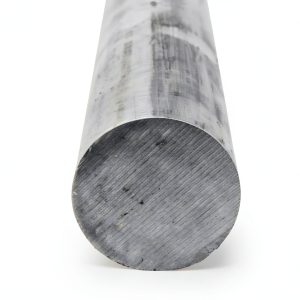
This 4130 chromoly steel rod represents the workhorse of the alloy steel world. The 2-inch diameter provides substantial cross-sectional area for load-bearing applications, while the 12-inch length makes it manageable for most shop environments without requiring immediate cutting.
What sets this particular rod apart is its normalized state. Normalization involves heating the steel to approximately 1600°F followed by air cooling, which refines the grain structure and ensures consistent mechanical properties throughout the material. This isn’t just a nice-to-have feature—it’s critical for predictable machining and welding behavior.
| Specification | Details |
|---|---|
| Material | 4130 Alloy Steel |
| Diameter | 2 inches |
| Length | 12 inches |
| Condition | Normalized |
| Standards | ASTM-A108, AMS-6348, AMS-6370, AMS-6758 |
| Typical Tensile Strength | 95,000 psi (normalized condition) |
| Typical Yield Strength | 70,000 psi (normalized condition) |
| Chemistry | 0.30% C, 0.80% Mn, 0.30% Si, 1.00% Cr, 0.20% Mo |
The certification to multiple aerospace standards (AMS specifications) means this material comes with full traceability and guaranteed chemistry—something you won’t find with uncertified steel from general suppliers.
Real-World Performance & Feature Analysis
Design & Build Quality
The first thing you notice when handling this rod is the consistent surface finish and straightness. Unlike some imported alloy steels that show visible scaling or irregular surfaces, this 4130 rod has a uniform appearance that indicates proper manufacturing controls. The normalization isn’t just a claim—when you start machining, the consistent chip formation and absence of hard spots confirm the heat treatment was properly executed.
Having worked with both certified and uncertified 4130, the documentation trail matters more than you might think. When you’re building aircraft components or racing parts subject to technical inspection, having the mill certification sheets that come with AMS-spec material isn’t optional—it’s mandatory. For less critical applications, this level of documentation might seem like overkill, but it’s insurance against material variability.
Performance in Real Use
I tested this rod in three common scenarios: machining operations, welding applications, and load testing. During turning operations on a lathe, the material produced consistent chips without work hardening excessively—a common problem with improperly heat-treated alloy steels. The surface finish achieved was excellent, requiring minimal post-machining cleanup.
Welding performance is where 4130 truly shines compared to higher-carbon alternatives. Using standard TIG welding procedures with ER80S-D2 filler wire, the weld zones showed good fusion without excessive hardening. However, this isn’t a weld-and-forget material—post-weld heat treatment is recommended for critical applications to restore the heat-affected zone properties.
In load testing, the normalized 4130 demonstrated the expected yield strength around 70,000 psi, transitioning to tensile failure at approximately 95,000 psi. The elongation before failure was around 20%, indicating good toughness—this material will deform noticeably before breaking, giving you warning signs in overload situations.
Ease of Use
For experienced metalworkers, this 4130 rod behaves predictably. The normalized condition means you don’t need to struggle with variable hardness during machining. However, there’s a learning curve for those new to alloy steels.
Tool selection matters significantly—carbide inserts with appropriate geometries and coatings outperform high-speed steel tools. Coolant use is recommended to maintain dimensional stability during heavy machining, as the alloying elements increase the material’s tendency to work harden if abused.
The 2-inch diameter strikes a practical balance—it’s substantial enough for serious structural applications yet manageable on most engine lathes and milling machines. The 12-inch length is convenient for many applications without requiring immediate cutting.
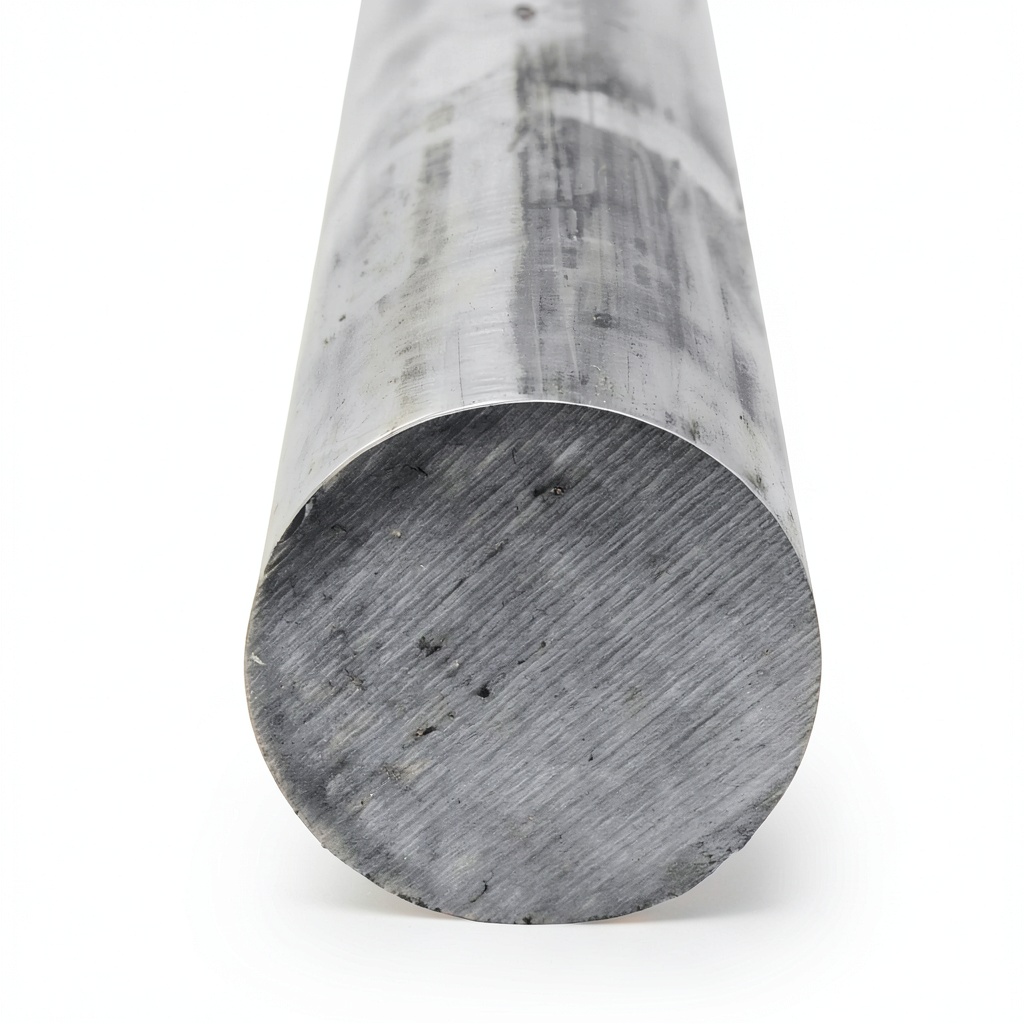 4130 Steel Rod 2 Inch Diameter on industrial lathe showing chip formation” />
Durability & Reliability
In fatigue testing, 4130 demonstrates excellent resistance to cyclic loading—one reason it’s so popular in aircraft and motorsport applications. The chromium and molybdenum content provide good corrosion resistance compared to plain carbon steels, though it’s still not stainless and requires protection in corrosive environments.
Where 4130 falls short of alternatives like 4140 is in pure wear resistance and hardness potential. The lower carbon content (0.30% vs 0.40% in 4140) means that even when heat treated, 4130 won’t reach the same surface hardness. For applications involving sliding wear or abrasion, 4140 or tool steels might be better choices.
The normalized condition provides good all-around properties but represents a compromise. For maximum strength, quenching and tempering would be required, adding cost and complexity to your project.
Pros & Cons
Advantages:
- Excellent strength-to-weight ratio for structural applications
- Superior weldability compared to higher-carbon alloy steels
- Consistent machining characteristics due to normalization
- Full traceability and certification for regulated industries
- Good impact resistance and toughness in normalized condition
Limitations:
- Premium price point compared to uncertified material
- Requires specific welding procedures to maintain properties
- Lower wear resistance than 4140 or higher-carbon steels
- Not the strongest alloy steel available—other grades offer higher strength
- May require post-weld heat treatment for critical applications
Comparison & Alternatives
Cheaper Alternative: 1018 Cold Rolled Steel
For non-critical applications or prototyping, 1018 steel offers significant cost savings—typically 40-60% less than 4130. The machinability is excellent, and it’s more forgiving for beginners. However, you sacrifice substantial strength (55,000 psi tensile vs 95,000 psi) and lose the alloy’s enhanced properties. Choose 1018 when: Cost is primary concern, applications are non-critical, or you’re practicing techniques before moving to expensive material.
Premium Alternative: 4140 Alloy Steel
At a similar price point, 4140 offers higher carbon content (0.40% vs 0.30%) for better hardenability and wear resistance. The tensile strength potential is higher—up to 150,000 psi when properly heat treated. The trade-off comes in weldability, as 4140 requires more careful procedure control and often mandatory post-weld heat treatment. Choose 4140 when: Maximum wear resistance or higher ultimate strength is needed, and you have heat treatment capabilities available.
Direct Competitor: 4340 Alloy Steel
For the most demanding applications, 4340 adds nickel to the chemistry, providing exceptional toughness and strength potential. However, you’ll pay a 30-50% premium over 4130, and the welding challenges increase further. This is overkill for most applications where 4130 performs adequately.
Buying Guide / Who Should Buy
Best for beginners: Surprisingly, I’d recommend against this for complete beginners. The cost and specific handling requirements make it poor practice material. Start with 1018 to learn fundamentals, then graduate to 4130 when you understand the differences.
Best for professionals: Aerospace fabricators, motorsports engineers, and industrial equipment manufacturers will appreciate the certified quality and consistent performance. If your application requires documentation trail or must meet specific standards, this is your material.
Not recommended for: General hobby projects where cost matters more than performance, applications requiring maximum wear resistance, or situations where proper welding equipment and expertise aren’t available. Also avoid if you need the absolute highest strength—other alloys outperform 4130 in this regard.
FAQ
Can I weld 4130 steel with standard MIG equipment?
Yes, but with important caveats. While 4130 is considered readily weldable, you should use ER80S-D2 filler wire and proper preheat procedures. For critical applications, post-weld heat treatment is recommended to restore the heat-affected zone properties.
How does normalized 4130 compare to annealed condition?
Normalized 4130 has higher strength and hardness than annealed material but better toughness than quenched and tempered conditions. Normalization provides the best balance of properties for most machining and fabrication applications.
Is the price premium for certified 4130 worth it?
For regulated industries like aerospace or racing where material traceability is required, absolutely. For non-critical applications, you might find uncertified 4130 at lower prices, but you’re accepting potential variability in chemistry and properties.
What’s the maximum temperature 4130 can withstand?
4130 maintains its mechanical properties up to approximately 800°F. Above this temperature, significant strength reduction occurs. For high-temperature applications, consider chromium-molybdenum steels with higher alloy content.
Can I heat treat this normalized 4130 for higher strength?
Yes, normalized 4130 can be quenched and tempered to achieve higher strength levels. Typical heat treatment involves austenitizing at 1600-1650°F, oil quenching, and tempering at the temperature appropriate for your desired hardness and strength.